Cutting & Trimming · cost guide
Tiller Cost: What a Rototiller Costs by Type in 2026
A tiller costs $100 to $2,000. Mini cultivators run $100 to $350, front-tine $300 to $800, rear-tine $700 to $2,000. Here's the real cost by type and garden size.
What a tiller costs
Pricing as of July 2026, per Home Depot and Tractor Supply listings, July 2026.
Prices vary by brand, model, and region. Confirm the current price with the retailer before you buy.
As an Amazon Associate, YardBuff earns from qualifying purchases.
Cost by type
| Type | Typical price | Best for |
|---|---|---|
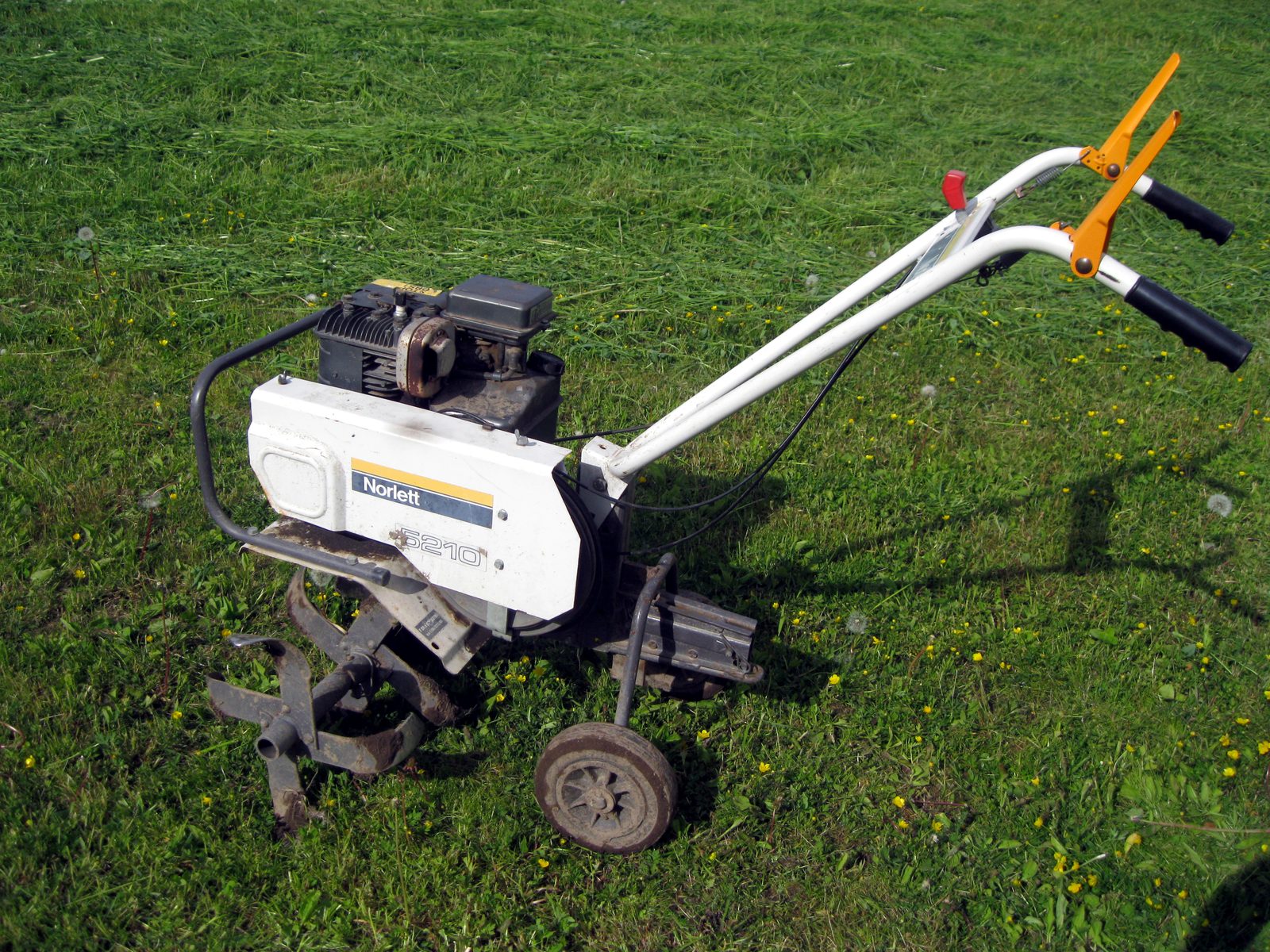
| Mini cultivator (electric or small gas) | $100–$350 | Raised beds and small plots; loosens soil, light weeding. |
| Front-tine (gas) | $300–$800 | Established gardens; tines pull the tiller forward. |
| Rear-tine (gas) | $700–$2,000 | Breaking new ground and hard, rocky soil; powered wheels. |
A tiller costs $100 to $2,000. A small electric cultivator runs $100 to $350, a front-tine gas tiller $300 to $800, and a rear-tine gas tiller $700 to $2,000. Most home gardeners spend around $400 to $600, and which type you need comes down to how hard your soil is and whether you’re breaking new ground.
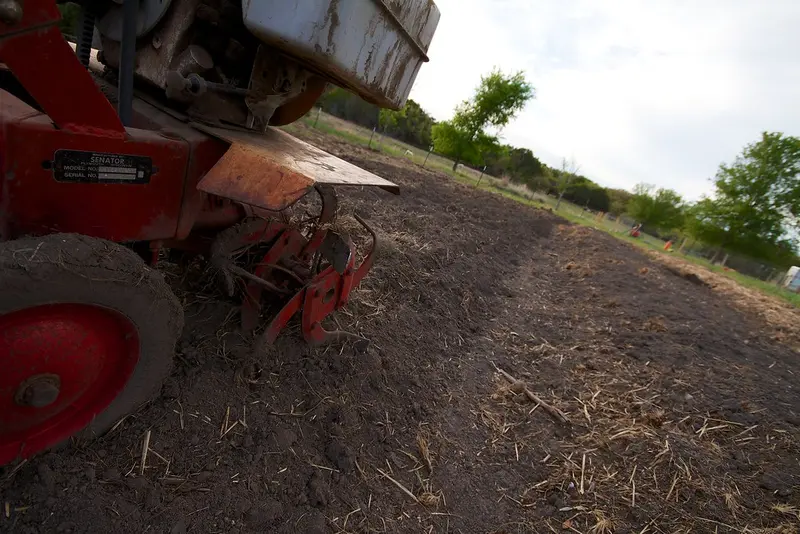
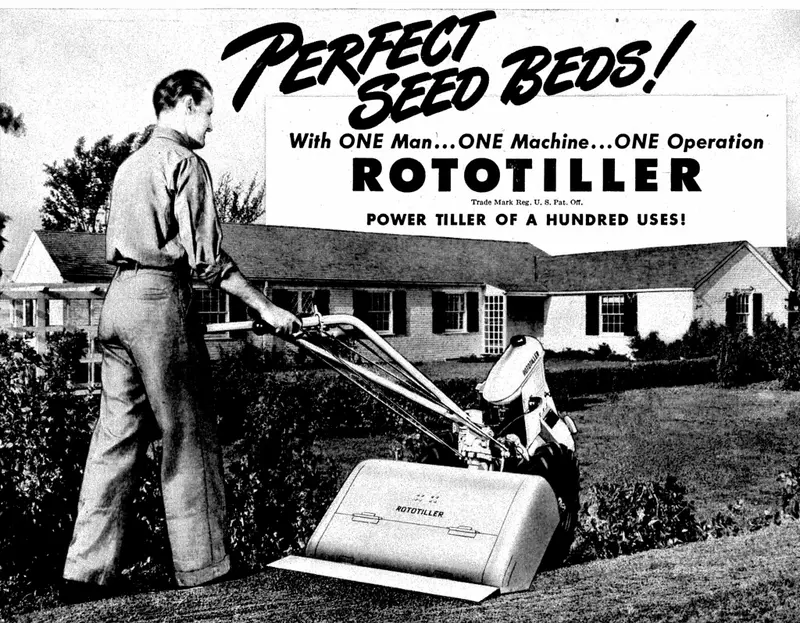
“Tiller” and “rototiller” mean the same machine: rotating tines that chew up and turn soil to prepare a garden bed. The tine style is the price driver.
Which type fits your garden
A mini cultivator ($100 to $350) is a light electric or small gas tool for loosening soil in raised beds and small plots and for shallow weeding. It won’t break new sod, but it’s cheap and easy to handle.
A front-tine tiller ($300 to $800) has tines in front that pull it forward as they dig. It’s the workhorse for maintaining and expanding an established garden in already-worked soil.
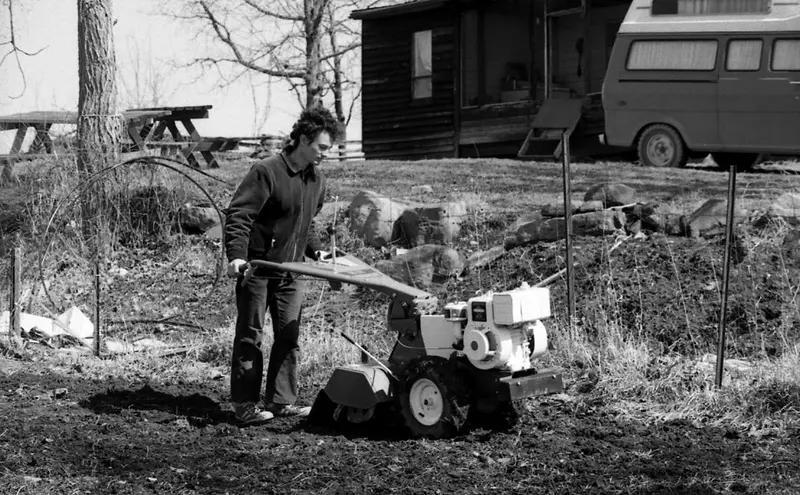
A rear-tine tiller ($700 to $2,000) puts powered wheels up front and counter-rotating tines in back, so it digs deep and stays put in hard, rocky, or virgin ground. If you’re turning a lawn into a garden or fighting clay, this is the tool, and it’s where the money goes.
Buy or rent?
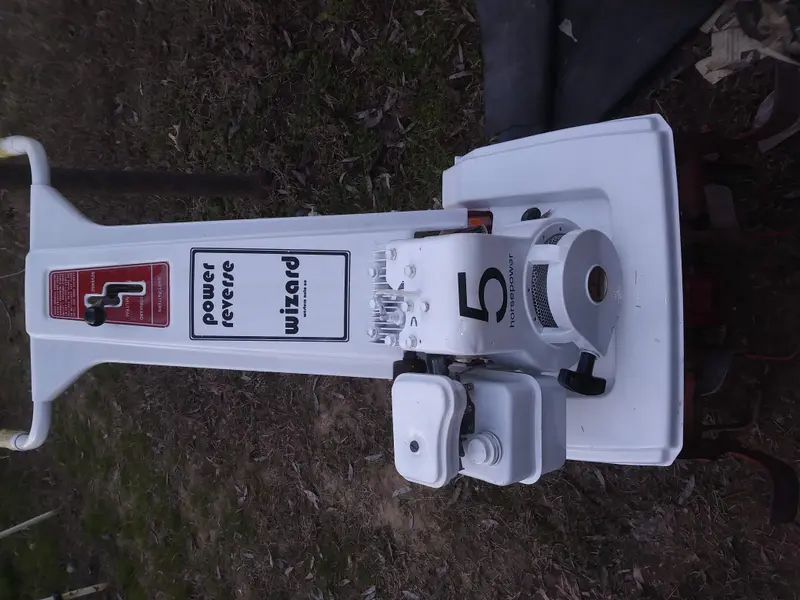
This is the one piece of yard gear where renting often makes more sense. A rear-tine tiller rents for roughly $50 to $90 a day, so if you’re breaking ground once and then maintaining with a cultivator, renting the big machine and buying a small one can beat owning both. Buy a rear-tine tiller only if you’ll break ground every season. For ongoing bed maintenance, a front-tine tiller or a cultivator is plenty and far cheaper to store.
Where to buy
- Electric cultivators (Sun Joe, Earthwise) , typically $100–$350 (affiliate)
- Front-tine gas tillers (Earthquake, Craftsman) , typically $300–$800 (affiliate)
- Rear-tine gas tillers (Troy-Bilt, Earthquake) , typically $700–$2,000 (affiliate)
As an Amazon Associate, YardBuff earns from qualifying purchases. Prices and availability are set by Amazon at the time you click.